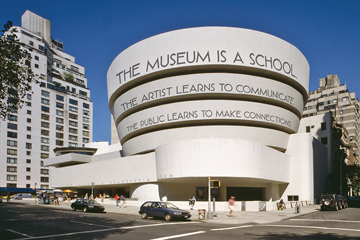
THE MUSEUM IS A SCHOOL
A series of Crisis Cabinets (of political fictions) was called in order to tackle the situation and to study a series of measures to take within the stipulated deadline. G
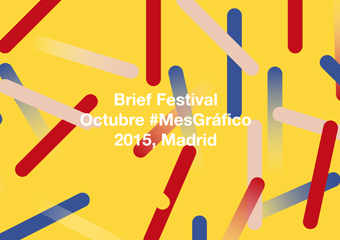
BRIEF MADRID 2015
Brief Festival is a celebration of creativity and an inspirational gathering of some of the best professionals in graphic creation every year in Madrid. The programme for the festival includes conferences, workshops, encounters, projections, exhibitions and much more.
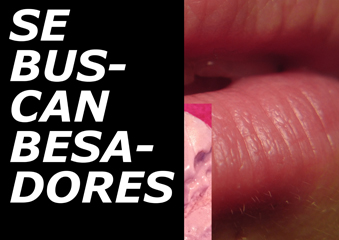
122 KISSES
A middle-aged woman kisses and is being kissed by an infinity of strangers. Volunteers of different ages, genders, identities, sizes, intentions and formats, in an endless succession.
CA2MISM
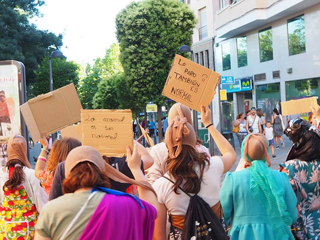
How do we look at art? How do we position ourselves in front of an artwork? How do we interpret works of art? How do we share them? These are just some of the questions that arose over the last year in Sub21.
AHORA SIN VER
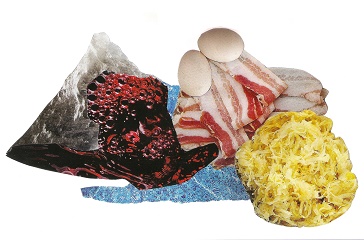
The projects by the artist María Jerez always have this thing that is never easy to explain. Works that are based on emotions, processes of trial and error that create unexpected connections and reconnoitre forms of imagination still waiting to be explored.
LET’S MAKE A “SWEDED”
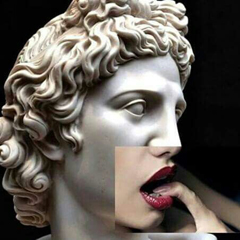
A “sweded” film is an amateur homemade remake of a blockbuster movie. In other words it is a precarious, handmade copy and at the same time—or as a direct result—it is truly creative, cheeky and independent. For a whole week we will appropriate all sorts of audiovisual referents like youtube videos, film scenes, trailers, video clips and so on in order to transform them and make a personal and transferrable adaptation.
FANZINE WORKSHOP
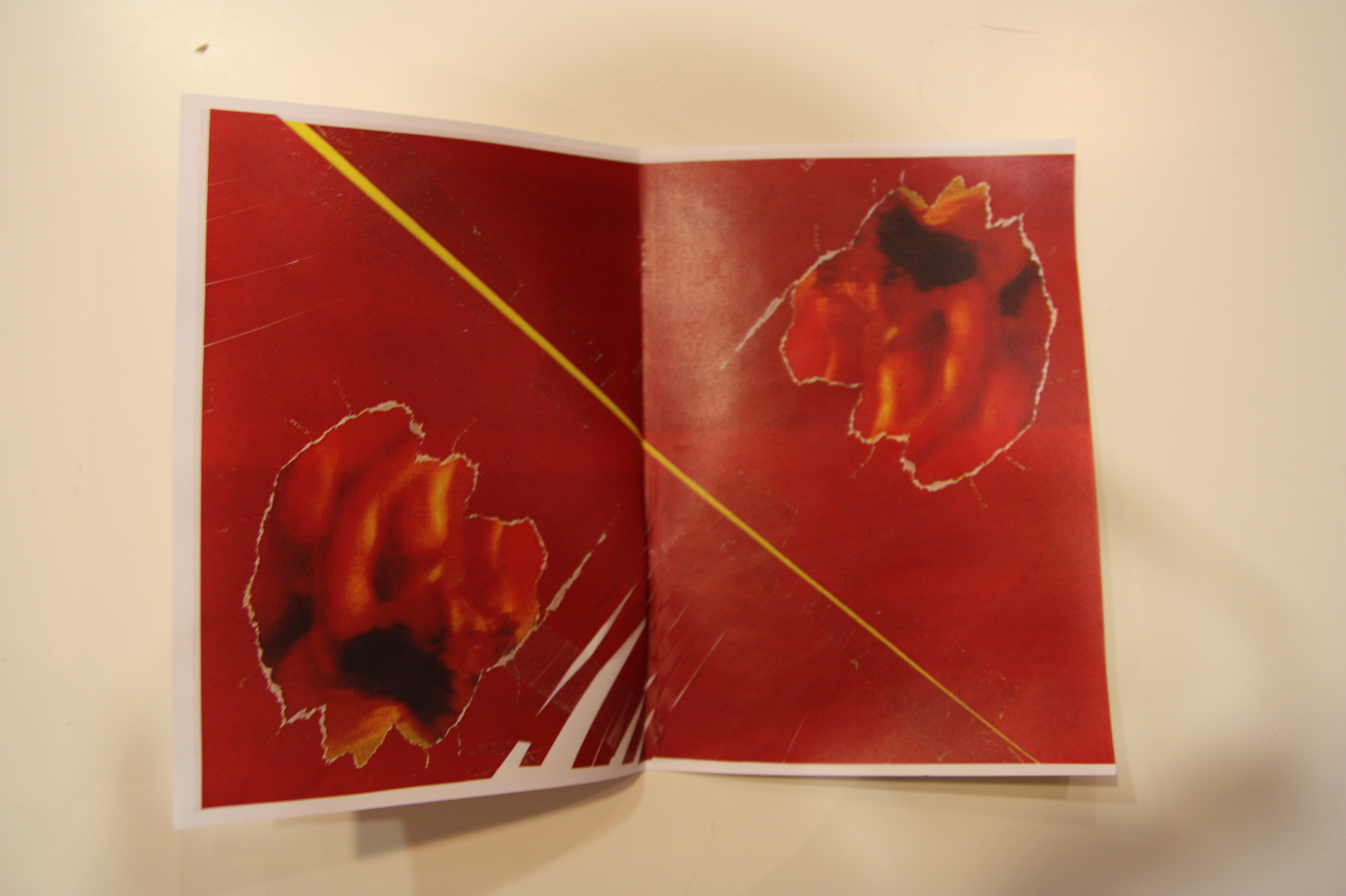
Over the course of three sessions, we will learn how to produce our own publications, such as fanzines and posters . We will look at different fanzines and low-cost publications, from punk to DIY, queer, photocopies, cut and paste, appropriation, drawing, photography, etc.
Here you can listen to the disc-relation El triángulo made by Julián Mayorga as a result of what happened in the listening project between a school, a conservatory and an experimental choir of the museum in the 2019-2020-2021 academic year, which was extended by the pandemic and which brought thousands of unheard and spectacular sounds.