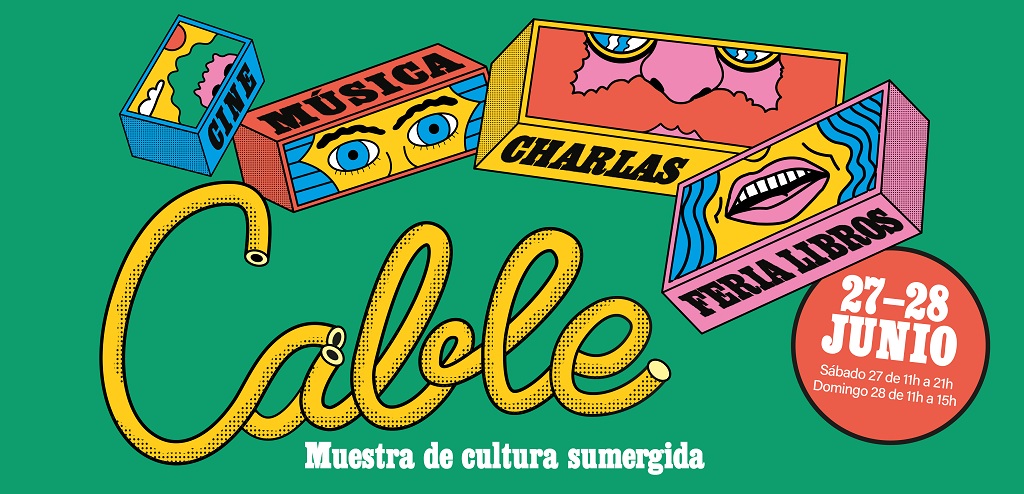
On 27 and 28 June, Museo CA2M in Móstoles will host the first edition of Cable: A Festival of Underground Culture.
Cable is a celebration of underground culture, bringing together concerts, film and short-film screenings, talks, and a fair dedicated to books, comics and fanzines.
Cable seeks to unite artistic and cultural practices that fly under the radar, whether in music, film or literature, and are no less interesting for it. Here, the underground is understood not as a springboard or stepping stone to commercial success, but as a legitimate, enduring and even ideal context for artistic creation. With Cable, we want to champion this spirit and way of working, which feels more necessary now than ever. In an age when culture has largely moved online, counterculture must remain offline: in person, organic, human and immediate.
The complete line-up is as follows:
- CONCERTS: Comunión, Cosas bien cosas mal, From, Los lagos de Hinault, Marcelo Criminal, Mordaza, Primera Mort, Sierra and Vosotras veréis.
- FILMS: Aliens (Luis López Carrasco), Balearic (Ion de Sosa), Din que non falan (Santos Díaz), Ilusión (Daniel Castro), Inmotep (Julián Génisson), La Panadella (Joel Jiménez), Lo-Tech Reality (Guillermo Galoe), Portales (Elena Duque), El ruido solar (Pablo Hernando), Souvenirs de Madrid (Jacques Duron) and Vivir en un mar bravo (Guillermo F. Flórez).
- BOOK FAIR: Anoche Press, Apa Apa Cómics, Aristas Martínez, Autsaider, Barrett, Belleza Infinita, Clavos y Chinchetas, Colectivo Bruxista, Comisura, La Felguera, La Granja, Libros Walden, Niños Gratis*, Orciny Press, Pepitas de calabaza and Smol Books.
- TALKS about magazines, underground culture, bars and more, featuring Andrés Castaño, Blanca Lacasa, Carles Armengol, Eduardo Bravo, Enrique Rey, Javier Rueda, Julián Génisson, Marcelo Criminal, Lorena Iglesias, Rubén Romero, Ruby Fernández and Santi Fernández.
Cable will be held at Museo CA2M in Móstoles on Saturday, 27 June, from 11 am to 9 pm and Sunday, 28 June, from 11 am to 3 pm.
Admission is free on a first-come, first-served basis.
Cable is a project by Libros Walden, a Madrid-based publishing house specialising in books on popular culture and cult authors. The team is led by Manuel Moreno and Ruby Fernández, editors, writers and cultural managers with more than twenty years’ experience organising festivals, fairs, concerts and events such as Autoplacer, Niebla, Festichachi and Nuevo Anochecer at public and private venues in Madrid and beyond.
Information also available at: @cablesumergido / www.cable.cab
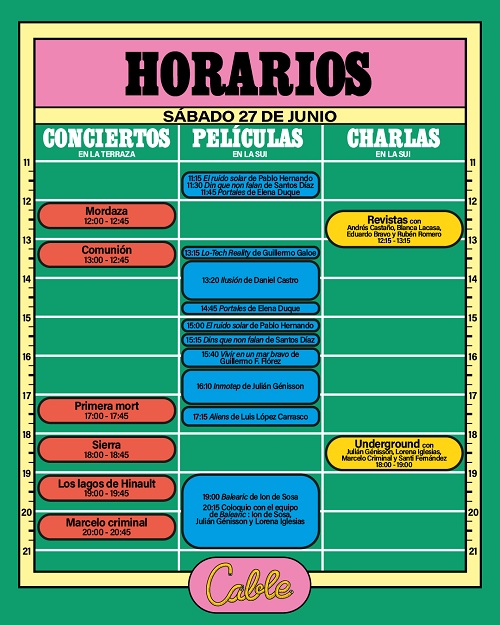
 CONCIERTOS en la TERRAZA
MORDAZA | Sábado 27 | 12:00
En palabras de Eric Sueiro, Medalla:
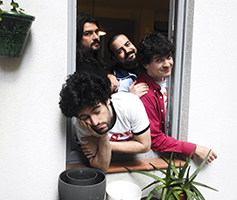
"Por favor, trata de arrancarlo. Parece mentira que un grupo, cuyo nombre proviene de un objeto usado para evitar que abras la boca, te provoque unas ganas irremediables de ponerte a gritar. Así son Mordaza, un puñetazo distorsionado que oscila entre lo viejo y lo nuevo.
El cuarteto madrileño formado en 2024 conjura todas sus influencias en un vórtice de fuego. Su centro de gravedad pone la contundencia en medio del meollo, pero su espíritu melódico se arraiga hasta el tuétano. Encasillarlos en el post-punk, el noise pop o el punk rock sería vago e inexacto. Mordaza van mucho más allá. Un sonido honesto, potente y con un mensaje antigeneracional. Ya basta de himnos generacionales, valga la redundancia. Lo que necesitamos son bandas como Mordaza y canciones que pongan un cuchillo en la garganta del estatus quo. Como las suyas." Spotify | Instagram
COMUNIÓN | Sábado 27 | 13:00
COMUNIÓN es el nuevo proyecto musical de Goulash! y Paula JJ. Ambas creen en el trabajo colectivo y les gusta  subir acompañadas al escenario. Por eso, han adoptado la idea de apoyo mutuo para lanzarse a producir música en solitario, pero de la mano de una buena compañera. Juntas consiguen algo más grande que la simple suma de las partes. Los directos de Comunión son un explosivo b2b en el que Tábata y Paula comparten stage para potenciar al máximo sus respectivos temas.
Goulash! es el primer proyecto en solitario de Tábata Pardo, ex miembro de proyectos como Fuckaine y Rayo. Con Goulash! explora una mezcla de géneros como el electroclash, synth pop y beats de hip hop con actitud punk.
Vocalista en Las Odio y Dúo Divergente, Paula JJ presenta aquí su primer trabajo sin guitarras. Una nueva propuesta que ha definido como “bedroom punk”, con un sonido electrónico y experimental, pero manteniendo intacto su espíritu riot. Web | Web
PRIMERA MORT | Sábado 27 | 17:00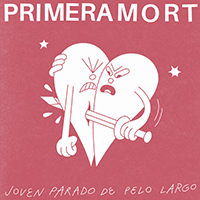
Pop de habitación, con unos dulces toques de tristeza desde la isla de Mallorca. Web | Instagram
SIERRA | Sábado 27 | 18:00
Sierra vuelve al escenario con lo que mejor sabe hacer: canciones que se quedan. Tras un recorrido que empezó con “Tiene mucha fuerza” —un EP que agitó el underground— y que cristalizó en “A ninguna parte”, definido como un “pop redondo, intenso y honesto” por la prensa,el proyecto regresa en formato esencial: sin banda, sin artificio, solo canciones. Un concierto para reencontrarse con ese pulso directo, entre lo luminoso y lo melancólico, que convirtió a Sierra en una de las propuestas más personales del pop independiente. Spotify | Instagram
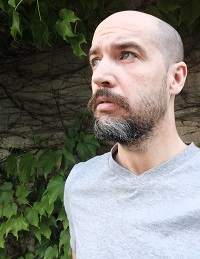 LOS LAGOS DE HINAULT | Sábado 27 | 19:00
Los lagos de Hinault es un proyecto desarrollado por Carlos Ynduráin que, tras seis discos a sus espaldas, está ya consolidado como uno de los grandes referentes del pop underground español. En otoño de este año publicarán su séptimo elepé y en el concierto de Cable presentarán algunas de esas nuevas canciones.
Spotify | Instagram
MARCELO CRIMINAL | Sábado 27 | 20:00
Marcelo Criminal es el nombre artístico que lleva usando años Marcelo García (1997) para hacer canciones pop en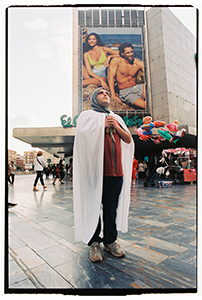 su cuarto. En 2016 empezó a publicarlas de forma autoeditada, hasta que a finales del año 2018 Carolina Durante y Amaia (ganadora de Operación Triunfo), versionaron una de ellas: Perdona (Ahora Sí que Sí). El éxito no fue inmediato solo por juntar a dos figuras tan relevantes y antagónicas, sino porque la canción era, simplemente, maravillosa: un par de párrafos hicieron falta para partirnos el corazón y dar forma al gran himno de (des) amor de esta generación.Su último trabajo "La Última Casa de Apuestas" ha supuesto un antes y un después en su carrera, consolidando la presencia de Marcelo Criminal en el panorama alternativo nacional.
Spotify | Instagram
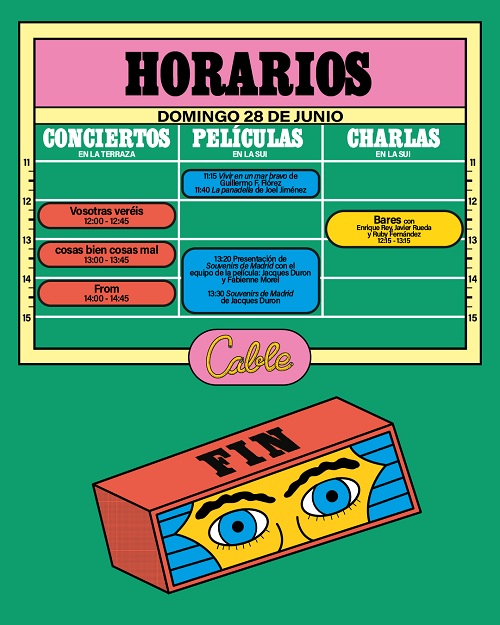
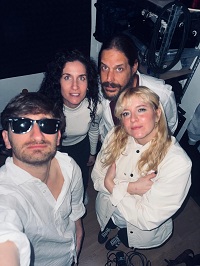 VOSOTRAS VERÉIS | Domingo 28 | 12:00
Este proyecto creativo nace en Madrid, en el barrio de Carabanchel en 2018. Sus integrantes: Ángela, Mari, Simone y Dani, se mueven entre el power pop y el punk rock, con letras divertidas que nos transportan a experiencias vividas por todos.
Tras su primer EP Preámbulo (editado por Hurrah! Música 2021), disco celebrado igualmente por crítica y público, en 2024, la banda lanza los singles “Sí Quiero”, “Mañana Es Lunes” y “No Llores Al Salir”, nuevos himnos con melodías sin freno, estribillos para tatuar y matrícula de honor en pogo. A los que se suman “Ahora Sé” y “Yo Nunca He”, para dar forma al LP “Vamos Tarde” con Carlos Hernández a los mandos de la producción y los video Karaoke de Rodri Chrome.xyz. Spotify | Instagram
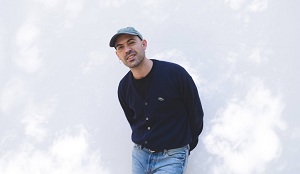 COSAS BIEN COSAS MAL | Domingo 28 | 13:00
Cosas bien cosas mal es el proyecto en solitario de Tomás Avilés, de Carabanchel. También conocido por su trayectoria en Noise Nebula y Carrera. Esta nueva propuesta nace de la idea de componer canciones a partir de un teclado Casio de juguete y una 808 como elementos principales. Así, el potencial de sus canciones se encuentra reducido a su expresión más mínima, la raíz. Canciones cortas y letras inmediatas bajo capas de lo que él define como “soniditos y texturitas”. Que todo recuerde a un boceto es la idea final, pues según él, “la música del presente está tan super producida que ya no resulta natural ni cercana”. Este nuevo álbum presenta un giro inesperado, ya que, en vez de ser música que funciona como desahogo personal, pasa a ser música para que la gente pueda hacerlas suyas. Spotify | Instagram
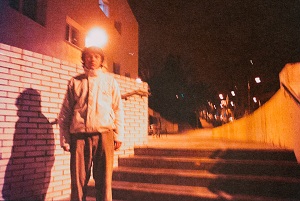 FROM | Domingo 28 | 14:00
From es el alias de Fernando Romero, activo desde 2019. Fernando comenzó grabando en solitario, atraído por lo analógico, las voces cercanas y las pequeñas imperfecciones de trabajar sin pulir. Sus primeras canciones se inclinaban hacia un pop luminoso y artesanal, pero poco a poco fueron derivando hacia algo más incierto. Tras trasladarse a los Países Bajos, su música se volvió más pausada y expansiva. El espacio y la repetición pasaron a ocupar un lugar central, y su voz se alejó de la confesión directa para adoptar una presencia más contenida. En los últimos años, elementos del post-punk, el dub o la coldwave se han ido filtrando en su lenguaje sin convertirse en gestos estilísticos evidentes. Spotify | Instagram
 CINE en la SUI
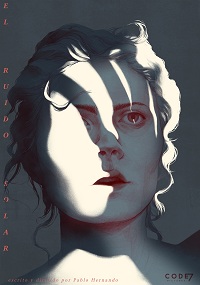 El RUIDO SOLAR - PABLO HERNANDO
Sábado 27 | 11:15 y 15:00
Ficha: 2020. 16 minutos.
Una colección de historias sobre personas que tuvieron una visión fugaz del futuro después de un evento cósmico inexplicable.
Trailer
“DIN QUE NON FALAN” - SANTOS DÍAZ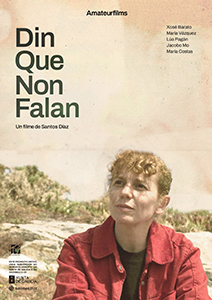
Sábado 27 | 11:30 y 15:15
Ficha: 2023. 17 minutos.
Una pareja habla de sus cosas en el campo. Y luego, otra pareja más joven parece hacer lo mismo, en algún lugar cercano. ¿Qué está sucediendo en ese paisaje que luego adquiere un inusitado protagonismo? Tras la inolvidable Os prexuízos da auga (2019), que también estuvo en el D’A, Santos Díaz parte de un aparente costumbrismo para dar forma a una delicada pieza en la que el sentimiento poético ocupa un papel preponderante..
Trailer
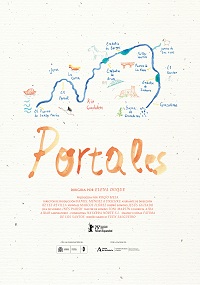 PORTALES - ELENA DUQUE
Sábado 27 |11:45 y 14:45
Ficha: 2025. 16 minutos.
Portales sigue el curso del río Guadalete en Cádiz, España, desde la sierra hasta el mar: un catálogo de paisajes que esconden otros paisajes, una colección de portales (y postales) interdimensionales que fusiona acción real y animación creando una fauna y flora imposibles, otra historia y geografía para un discreto curso de agua.
Trailer
 LO-TECH REALITY - GUILLERMO GALOE |
Sábado 27 |13:15
Ficha: 2023. 8 minutos.
Unos visitantes llegaron del cielo a la ciudad. Habían oído que en la ciudad algunas personas tenían herramientas para crear sueños hi-tech a partir de realidades lo-tech. Pero no encontraron a nadie. Entre los sonidos de la ciudad, los visitantes detectaron una transmisión codificada. Un cortometraje de Guillermo Galoe en colaboración con el colectivo Underground Resistance, de Detroit, a partir del tema Lo-Tech Reality de «Mad» Mike Banks.
Trailer
ILUSIÓN - DANIEL CASTRO 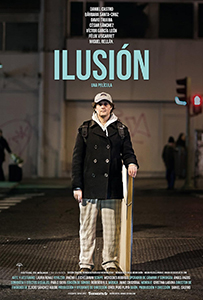
Sábado 27 | 13:20
Ficha: 2013. 65 minutos.
Un guionista y director de cine trata de insuflarle al país parte de la ilusión que parece haber perdido en los últimos tiempos. Su idea es hacer una película sobre los pactos de la Moncloa. Eso sí, quiere que sea un musical.
Trailer
VIVIR EN UN MAR BRAVO - GUILLERMO F. FLÓREZ 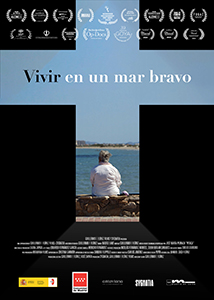
Sábado 27 | 15:40 y Domino 28 | 11:15
Ficha: 2023. 25 minutos.
La vida de Carmen siempre ha sido una comedia quijotesca. Vivió una guerra civil, fue monja, construyó una nueva vida, se divorció en una sociedad conservadora, tuvo varios amantes y, sobre todo, nunca obedeció órdenes. Ahora, tras 86 años de aventuras, Carmen planea su suicidio.
Trailer
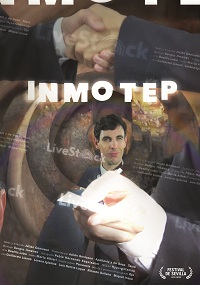 INMOTEP - JULIAN GÉNISSON
Sábado 27 | 16:10
Ficha: 2022. 65 minutos.
Un joven chófer investiga la desaparición de un cliente. Cuenta con la ayuda de su profesor de italiano, un agente inmobiliario sin hogar y un artista que utiliza fotografías de archivo al azar para ilustrar sus sueños. Todo parece una pista en este mundo un poco absurdo, pero ¿de qué?
Trailer
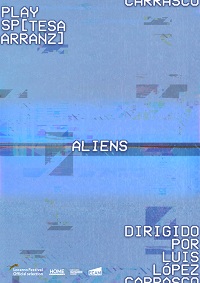 ALIENS - LUIS LÓPEZ CARRASCO
Sábado 27 | 17:15
Ficha: 2017. 27 minutos.
Describe la vida de Tesa Arranz y el ambiente cultural que le rodeó. Un retrato íntimo, sincero y desprejuiciado en el que la artista narra su vida a través de su obra gráfica, sus poemas, diarios, novelas y cartas. El título de la obra refiere a los más de quinientos retratos de extraterrestres que Arranz ha pintado en la última década.
Trailer
BALEARIC - ION DE SOSA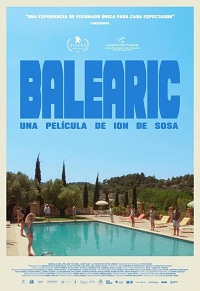
Sábado 27 | 19:00 (Coloquio posterior con director y guionistas).
Ficha: 2025. 74 minutos.
Tres feroces perros mantienen prisioneros a un grupo de jóvenes en una piscina perteneciente a una lujosa casa en la que se han colado, mientras los vecinos se reúnen en una fiesta en una villa cercana para celebrar el comienzo del verano. Es la víspera de San Juan, un día propicio para la magia.
Trailer
LA PANADELLA - ION DE SOSA 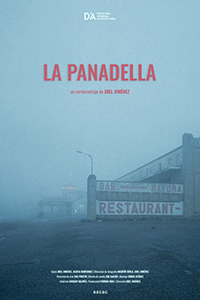
Domingo 28 | 11:15
Ficha: 2008. 56 minutos.
La Panadella, un emblemático pueblo de carretera en decadencia situado en Cataluña, espera la llegada de los visitantes desde una misteriosa torre. Los empleados del Hotel y Restaurante Bayona, el único servicio de hostelería del pueblo, siguen sus rutinas cíclicas día y noche. Se preparan las camas y las mesas, se hornea el pan y se lava la ropa, un ciclo perpetuo de constante preparación para algo o alguien.
Trailer
SOUVENIRS DE MADRID - JACQUES DURON 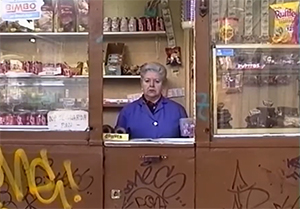
Domingo 28 | 13:30 (Presentación previa de la película con el equipo de la película).
Ficha: 2025. 74 minutos.
Señoras en bata y pantuflas de vuelta de la compra o de tertulia con las vecinas en la plaza del Dos de Mayo; jubilados echando la partida de mus frente a las Escuelas pías; bares de encimera de zinc y el No se fía; mercerías y carbonerías en pleno Centro... Cuando Madrid era un pueblo. El proyecto nació en diciembre de 1995, cuando, en busca de su café con leche matutino, descubrió que el bar El Orien-
tal de Malasaña había cerrado tras el retorno del dueño a su Galicia natal y, en su lugar, ya apuntaba la modernidad en obras de un tal Rock Café.
Como remedio, quizá, comenzó a filmar el ajetreo diario en los barrios de Malasaña, Lavapiés, Embajadores y La Latina, con planos fijos sobre trípode, hasta acumular cien horas de rodaje sobre un tiempo encapsulado.
Así, desfilan las costumbres arraigadas que colean en Madrid, entre planos estáticos y mudos de trabajadores, cual ramillete de postales, pues los protagonistas, quizá por la novedad, posaban durante minutos como si se tratasen de fotografías, a pesar de que Duron y Morel les pedían permiso para grabarles en vídeo.
Trailer
 CHARLAS en la SUI
Sábado 27 a las 12:15 “Revistas” con la participación de:
- BLANCA LACASA
- EDUARDO BRAVO
- ANDRÁS CASTAÑO
- RUBÉN ROMERO
Sábado 27 a las 18:00 “Underground” con la participación de:
- LORENA IGLESIAS
- JULIÁN GENISSON
- MARCELO CRIMINAL
- SANTI FERNÁNDEZ
Domingo 28 a las 12:15 “Bares” con la participación de:
- CARLES ARMENGOL
- ENRIQUE REY
- JAVIER RUEDA
- RUBY FERNÁNDEZ
 FERIA de LIBROS